
A world without managers is a nice idea. But teams need leaders. Someone has to take decisions, even if they are bad ones
Save time by listening to our audio articles as you multitaskA world without managers is a nice idea. But teams need leaders, irrespective of the quality of the people in charge. Someone has to take decisions, even if they are bad ones, to prevent the corporate machine gumming up with endless discussions.
That is true even of flatter organisations. In a paper published in 2021, researchers described an experiment in which a number of different teams took part in an escape-room challenge. Some randomly selected groups were asked to choose a leader before the task began; the rest were not. The teams with leaders did much better: 63% of them completed the challenge within an hour, compared with only 44% of those in the control group. The difference between good bosses and bad ones is striking. In one paper published in 2012, a trio of academics looked at the output of workers in a large services company who frequently switched between different supervisors. They found that the gap in output between the best and worst bosses was equivalent to adding an extra person to a nine-member team. Even the average boss enhanced their team’s productivity by enough to justify their higher salary. Managers are needed, but they do not have it easy. The job is structurally difficult. Most managers have to meet the expectations, sometimes unreasonable, of people below them and above them. The blurring of work-life boundaries as a result of the covid-19 pandemic seems to have made life tougher for them. Gallup, a pollster, found that in 2021 managers suffered higher levels of self-reported burnout than workers, and that the gap between these groups had widened considerably over the previous year. They are subject to conflicting demands. They are meant to care about members of their teams and be ready to get rid of them. They are supposed to give people agency while making sure that things are done in the way the organisation wants. The concept of the “servant leader” is utter nonsense. It is also a reflection of the different directions in which bosses are pulled. Many of those in positions of power don’t want to be managing at all. True, some of them have found their way into management because of thrusting ambition. But others have wound up there because it is the only route available to more pay and greater influence. Hence another screwed-up office character: the “reluctant leader”. Managers are also handling the most baffling material on Earth: people. A study conducted by researchers in Germany found that handing out monetary bonuses for good attendance to apprentices in retail stores led to sharp rises in absenteeism . Another piece of research, by academics atBusiness School and the Poole College of Management, found that empowering employees could lead to more unethical behaviour if workers felt under greater pressure to perform. The law of unintended consequences runs through the workplace. Managers are allegedly human, too, and also susceptible to bias. Bosses who take steps to encourage employees to contribute their ideas are doing the right thing by their organisations and by their teams. But according to research by Hyunsun Park of the University of Maryland and her co-authors, the more they solicit input, the less likely they are to reward people for speaking up. Instead, they credit themselves for creating the right kind of environment. Laudable, no. Natural, yes. It is true that managers do not save lives or nurture young minds. Even the best ones spout jargon and cause unholy amounts of irritation. The worst ones make life a misery. But the job that managers do is almost always necessary, often unpopular, sometimes done reluctantly and pretty difficult to boot. Every so often that is worth remembering.
United Kingdom Latest News, United Kingdom Headlines
Similar News:You can also read news stories similar to this one that we have collected from other news sources.
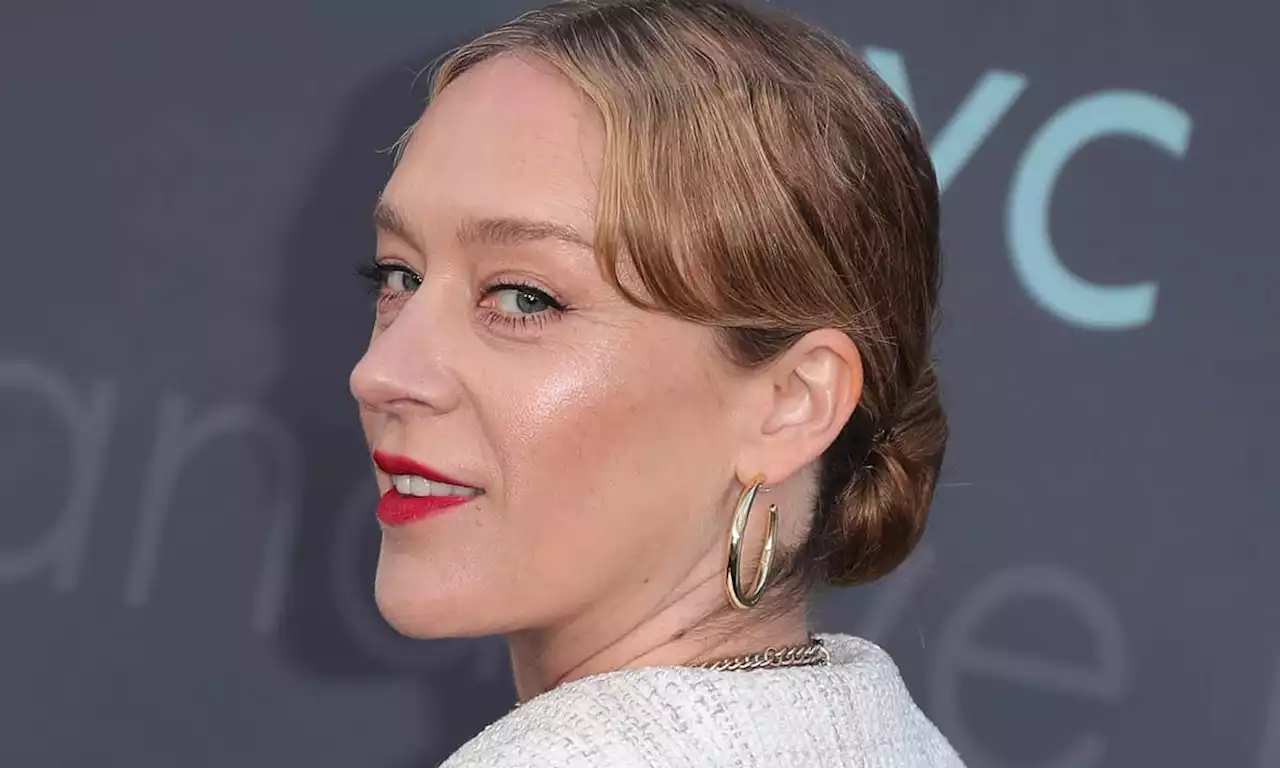 Why Chloe Sevigny almost replaced £5k diamond wedding ring following second weddingChloe Sevigny was given a Tiffany wedding ring when she married her husband Siniša Mačković for the second time in May 2022 – see why she almost replaced it.
Read more »
 13 Reasons Why star's new horror is The Ring but with a cursed smileOnce you see it, it's too late...
Read more »
 Why everyone wants ArmThe British chip designer’s modest size belies its central role in the digital revolution
Read more »
 Train strikes: Why railway workers say they are going on strikeAs another rail strike gets under way, workers say it's not just about pay, but about conditions and safety.
Read more »
Why New York gun violence victims may have their day in court\n\t\t\tKeep abreast of significant corporate, financial and political developments around the world.\n\t\t\tStay informed and spot emerging risks and opportunities with independent global reporting, expert\n\t\t\tcommentary and analysis you can trust.\n\t\t
Read more »