
You already know that poor sleep can take a toll on your health, your mood, and your work performance, and you probably also already know that you should be getting se...
You already know that poor sleep can take a toll on your health, your mood, and your work performance, and you probably also already know that you should be getting seven-plus hours per night. If getting enough quality sleep is a struggle, it’s also highly likely that you’re tired of being told simply to just keep your bedroom cool, dark, and quiet and limit evening screen time.
Here are some sleep hacks you might not have tried yet.. Here’s how this works: in the hours before bedtime, our body’s core temperature starts to decrease and the temperature of the hands and feet increase. When you’re exposed to warm water, your body goes to work cooling itself down, which helps you drift off. Research suggests that one to three hours before bed is the optimal time. You don’t need to make it an elaborate or long soak —even just a short exposure can reap the benefits. Just be safe and use a bathmat.shares, “Running five companies with four kids at home makes adding more sleep feel like a fantasy. Instead of chasing extra hours I don’t have, I focus on strategic recovery hacks that help my brain and body feel rested—even when actual sleep is limited.” Gold loves magnesium spray, which she applies to the soles of her feet and her wrists at night “and after high-stress moments.” Also available in capsule and powder forms, this mineral plays a role in muscle and nerve function andGold also utilizes red light therapy throughout her workday to support recovery with set-ups in her office that allow her to integrate it into her normal routine. “For busy entrepreneur moms like me, shifting sleep schedules isn’t always an option. But integrating biohacking self-care makes a massive difference—helping you recover, recharge, and show up fully, even when sleep is in short supply.”co-founder Katie Mant found red light therapy so helpful, she was inspired to incorporate it into the company’s product line. “My journey began when I discovered the impact light exposure has on our wellbeing, in particular how artificial blue light after dark can disrupt our melatonin production, negatively impacting sleep, “she says. Specifically, artificial blue light signals to the body that it’s daytime, which can keep cortisol levels elevated and keep up awake and alert. “This then led me to dive deeper into other frequencies of light and discover what impact each had on our sleep and wellbeing, and that’s when I discovered how red light can actually optimize sleep, boost wellbeing and longevity.” Red light, which has been associate in studies with improved sleep has the opposite effect, Mant explains. “It signals to the body that it’s nighttime, to produce melatonin, lower stress and cortisol and to unwind and prepare for sleep. Red light works by stimulating the parasympathetic nervous system, promoting relaxation and reducing nighttime unease. Exposure to red light in the evening can therefore help regulate our circadian rhythms. This can be particularly useful for those struggling with sleep, jet lag or irregular schedules.”using a red light device in your bedroom or in a space where you wind down at night. “Try to use it for about 10-20 minutes before bed to help signal to your body that it's time to relax. It’s also important to reduce artificial blue lights in the hours leading up to bedtime, ideally post sunset through to bedtime, as they can interfere with the effectiveness of red light therapy and dysregulate your circadian rhythm.” Beyond red light therapy, there are tons of other biohacking products on the marketing designed to improve sleep, such as masks, headbands , and TK, just to name a few.Despite the name, a “sleep divorce” might actually save your marriage if co-sleeping issues like snoring, sleep-talking or insomnia contribute to feelings of resentment and frustration between partners. Plus, it’s hard to communicate kindly and clearly when you’re exhausted. TK, which makes cannabis products to suit a variety of needs, including sleep, found that 81% of Americans with a partner said they have an issue with sleep quality with their partner. 79% of respondents reported that they want a sleep divorce but 64% shared that something was keeping them from taking that step. Kristi Palmer, Co-Founder and President, Kiva Confections, which makes Camino’s Sleep and other products, says, ““We all know relationships are built on love and trust, but where does a good night’s sleep fit in? Many couples are now discovering that sleep—or the lack of it—can create tension in the relationship. Sleep Divorce may sound drastic, but it’s simply the practice of sleeping in separate spaces to get better sleep.”of 2,005 adults in the U.S. commissioned by the American Academy of Sleep Medicine that found more than one-third occasionally or consistently sleep in another room to accommodate a partner. However, many worry about missing their partner and missing out on the oxytocin boost of sleeping in the same bed—or the stigma keeps them from trying out the trend. While prescription and over the counter sleep aids have been around for decades, cannabis-based sleep products containing CBD, CBN, and / or THC have only recently become more widely available and consumed. Also noteworthy from this study was that 24% of respondents had tried cannabis edibles for sleep to improve their sleep quality with a partner, and about 22% said they would prefer to use cannabis products that support sleep quality versus a sleep divorce . Palmer says, “ What’s interesting is that cannabis is already something people quietly turn to for sleep support, yet it’s rarely part of the mainstream conversation. We want to shift that narrative and ask people to try an option that many report helps support their sleep cycles so they can stay in the same bed with their partner and actually wake up rested.” If you’re curious about trying a sleep divorce, don’t be afraid to talk to your partner about it—emphasize that this is about your health and wellbeing. Caring what others will think shouldn’t hold you back from getting quality sleep and feeling your best. That said, if you do decide to explore a sleep medication or supplement, check with your healthcare provider about potential interactions or other concerns before starting.While it’s not a quick fix, exploring possible underlying causes of sleep disturbance can help provide insight on what changes will make a meaningful difference for you., Board-Certified OB-GYN and Hormonal Health Expert , says, “Women need to know that sleep disturbances are often the first signal that hormones are shifting, especially in the perimenopausal years. Too often, women are dismissed with the advice to simply ‘reduce stress’ or ‘practice better sleep hygiene,’ when in reality, the root cause is hormonal dysregulation that requires a functional, integrative approach to address.” She encourages women to bring up this issue early with their providers—not to wait until they’re deep into perimenopause or once they’ve hit menopause . “Starting these discussions in their late 30s or early 40s — while cycles are still regular — allows us to identify imbalances early and support sleep, mood, and metabolic health before symptoms spiral. Good sleep isn’t a luxury — it’s a vital sign of overall health, and it’s time we treat it that way.”– “Blood sugar imbalances can worsen sleep, especially if hypoglycemia triggers nighttime cortisol spikes.” For women also experiencing mood shifts, fatigue, or cognitive changes, says Dr. Verrico, “I may also recommend checking Vitamin D, Magnesium, and B12, as these nutrients play supportive roles in hormonal balance and sleep regulation.”Sleep is important and you don’t have to suffer. If you continue to experience sleep difficulties despite practicing good sleep hygiene and exploring other sleep hacks and approaches to promote better sleep, consult with a sleep expert, who will be able to do a more individualized sleep-focused assessment and provide specialized support.
United States Latest News, United States Headlines
Similar News:You can also read news stories similar to this one that we have collected from other news sources.
 Sleep Expert Backs Kennedy's MAHA Movement, Urges Awareness of Teen Sleep DeprivationA sleep specialist, supporting Robert F. Kennedy Jr.'s Make America Healthy Again (MAHA) movement, emphasizes the importance of sleep, particularly for teenagers, and advocates for later school start times to address the widespread sleep deprivation among students.
Read more »
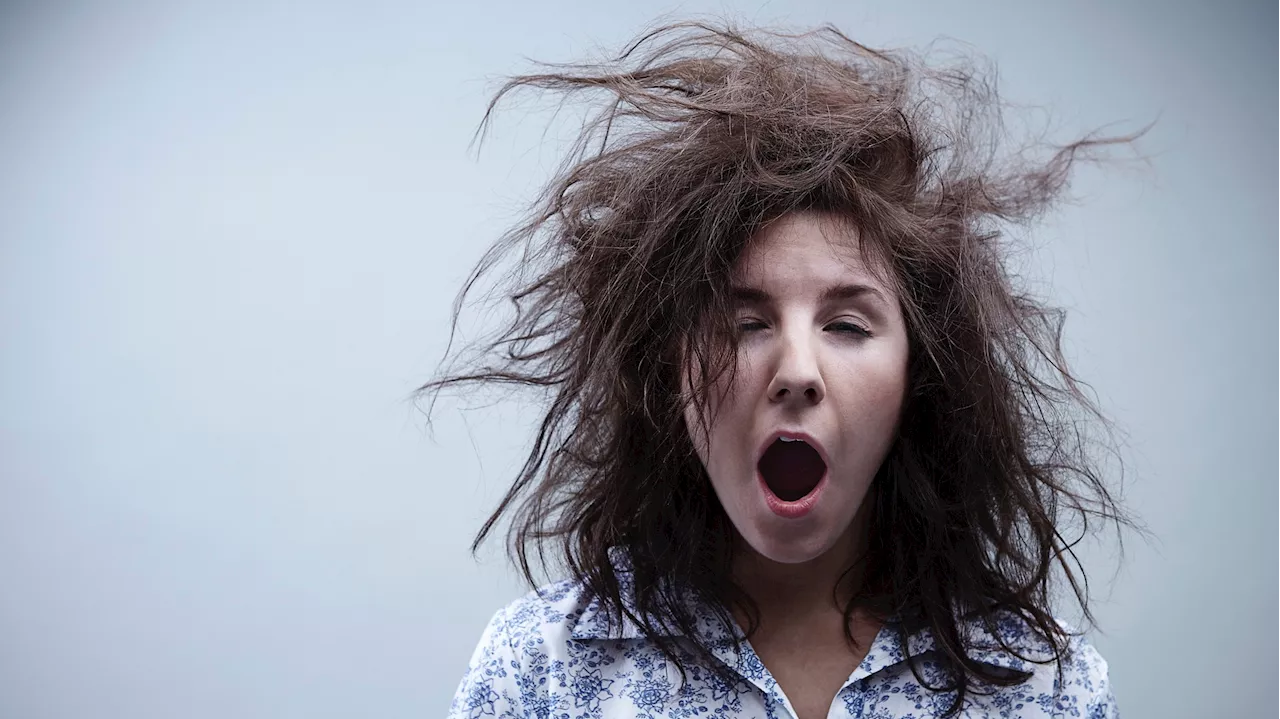 The Genetics of Short Sleep: Why Some People Need Less SleepThis article explores the science behind natural short sleepers, individuals who thrive on six hours of sleep or less. It delves into recent discoveries of genes linked to short sleep and explains how these genetic variations impact sleep regulation.
Read more »
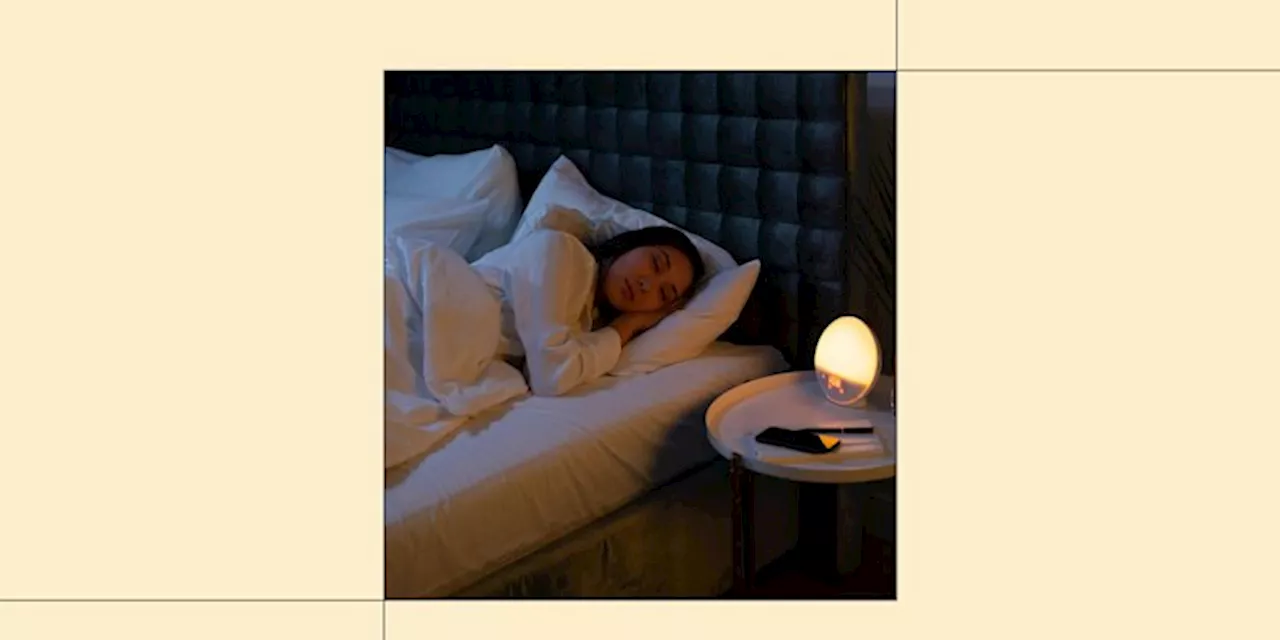 This Science-Backed Routine Consistently Increases My HRV & Sleep ScoreThe ultimate longevity hack.
Read more »
 Why Sleep Gets Harder With Age And How To Sleep BetterTossing and turning more as you age? You’re not alone -- and experts think they know why.
Read more »
 Is cannabis effective for insomnia, restless legs syndrome, or sleep apnea?The effectiveness of cannabis on three common sleep disorders—insomnia, restless legs syndrome, or sleep apnea.
Read more »
 Shop Sleep Week savings on Sleep Reset, a new program to conquer insomniaWho needs a new mattress when you have Sleep Reset?
Read more »