
Ted Ladd has participated in seven startups, including the IPO of Palm Inc and software that was sold to Google to become WearOS, which powers smartwatches including Garmin, Samsung, and 30 other brands. He holds a Ph.D. from Case Western, MBA from Wharton, M.A. in economics from Johns Hopkins with distinction, and B.A.
The global pandemic has dramatically reshaped how we work, and nowhere is this more evident than in Singapore . Once a nation where traditional office culture reigned supreme, Singapore now grapples with the realities of remote and hybrid work environments.
While companies in other countries require employees to return to the office, many Asian companies intend to retain remote work options. As businesses and employees adapt to this new normal, questions about employee retention and career progression arise. How does remote work impact these critical areas, and what can Singaporean companies do to stay ahead in this evolving landscape? And what lessons can we draw for companies in other cities worldwide? New research from my peer,Before the COVID-19 pandemic, remote work was not widespread in Singapore. The country's work culture emphasized physical presence in the office as a marker of dedication and productivity. However, the pandemic forced companies to adopt remote work en masse, leading to what has been termed"The Great Homeworking Experiment." As restrictions eased, the question became whether remote work would remain a temporary solution or evolve into a permanent fixture of Singapore's employment landscape. A study focusing on Singaporean remote workers highlighted a significant shift in attitudes toward remote work. While initial skepticism was high, many employees reported increased job satisfaction and a better work-life balance. Yet, these benefits are accompanied by challenges, particularly regarding career advancement and employee retention.Career progression is one of the most pressing concerns for remote workers in Singapore. Traditionally, career advancement has been closely tied to visibility within the office—being seen by supervisors, participating in impromptu meetings, and engaging in office politics. In a remote work environment, these opportunities are limited, leading to a perception that remote workers are less engaged or less committed. This perception can have real consequences. The study revealed that many remote workers in Singapore fear being overlooked for promotions and career development opportunities. This is particularly true in industries where remote work is still seen as a deviation from the norm rather than a viable long-term option. As a result, companies must find new ways to evaluate and promote employees who may not be physically present in the office but are still making significant contributions to the organization.A ‘Huge’ BlackRock Bitcoin ETF Price ‘Surprise’ Is Suddenly About To Hit The flexibility offered by remote work is a double-edged sword when it comes to employee retention. On the one hand, remote work can lead to higher job satisfaction and lower turnover rates. Employees appreciate the flexibility to manage their work and personal lives, which can lead to increased loyalty to their employers. On the other hand, the desire for clear career progression pathways in a remote setting can drive employees to seek opportunities elsewhere. For Singaporean companies, the key to retaining top talent in a remote-first world will be creating clear, equitable career progression frameworks that apply to remote and in-office workers. This includes rethinking performance evaluations, mentoring, and networking opportunities to ensure that remote workers are not disadvantaged simply because they are less visible.Interestingly, the study also found that gender plays a significant role in how employees experience remote work in Singapore. Female remote workers reported higher engagement and performance levels than their male counterparts. This finding suggests that women may be better equipped to handle the challenges of remote work, possibly due to better time management skills or a stronger sense of purpose. However, this does not mean that women are immune to the challenges of remote work. The same factors that lead to higher engagement can also lead to burnout, particularly as the lines between work and home life blur. Companies must be mindful of these dynamics and provide support to ensure that all employees—regardless of gender—can thrive in a remote work environment.As remote work becomes more entrenched in Singapore, businesses must adapt their strategies to retain talent and foster career growth for all employees. Here are a few strategies that Singaporean companies can consider: 1. Redefine Career Pathways: Create clear, transparent career progression frameworks that apply equally to remote and in-office workers. This could include new metrics for performance evaluation and more structured mentoring programs. 2. Invest in Technology: Leverage technology to bridge the gap between remote and in-office workers. Tools for virtual collaboration, project management, and performance tracking can help ensure that remote workers remain engaged and connected. 3. Foster a Culture of Inclusion: Ensure remote workers are included in company culture initiatives, from virtual team-building activities to regular check-ins with managers. This inclusion helps combat the isolation that can sometimes accompany remote work. 4. Support Work-Life Balance: Recognize the unique challenges of remote work and offer support to help employees manage their work-life balance. This could include flexible work hours, mental health resources, and clear guidelines for switching off after work.The future of work in Singapore and the Southeast Asian region is for employees to continue to enjoy working remotely. However, with this shift comes the need for thoughtful strategies to ensure employees stay at the company and have opportunities to grow in their careers. By addressing the challenges of career progression and retention in a remote work environment, many Southeast Asian companies can position themselves as leaders in the global marketplace and ensure they continue attracting and retaining top talent, especially in supply markets such as Indonesia, Thailand, and the Philippines. As the work landscape evolves, successful companies will embrace change, invest in their employees, and create a culture of growth and inclusion that transcends the physical office.Our community is about connecting people through open and thoughtful conversations. We want our readers to share their views and exchange ideas and facts in a safe space.Insults, profanity, incoherent, obscene or inflammatory language or threats of any kindContinuous attempts to re-post comments that have been previously moderated/rejectedAttempts or tactics that put the site security at riskProtect your community.
Singaporean Hybrid Remote Work
United States Latest News, United States Headlines
Similar News:You can also read news stories similar to this one that we have collected from other news sources.
Utah Utes all-time greatest football players: No. 35 Matt AsiataThe Utes back finished his career ranked third all-time with 24 career rushing touchdowns
Read more »
 Teacher recruitment and retention bill becomes law in Alaska without Gov. Dunleavy’s signatureLawmakers say “small tweaks” to policy can attract and keep more teachers in Alaska’s classrooms.
Read more »
 Teacher recruitment and retention bill becomes law in Alaska without Gov. Dunleavy’s signatureLawmakers say “small tweaks” to policy can attract and keep more teachers in Alaska’s classrooms.
Read more »
 Career Academies launch in Anchorage high schools with new freshman classThe Career exploration class is designed to help students identify interests and select a potential career.
Read more »
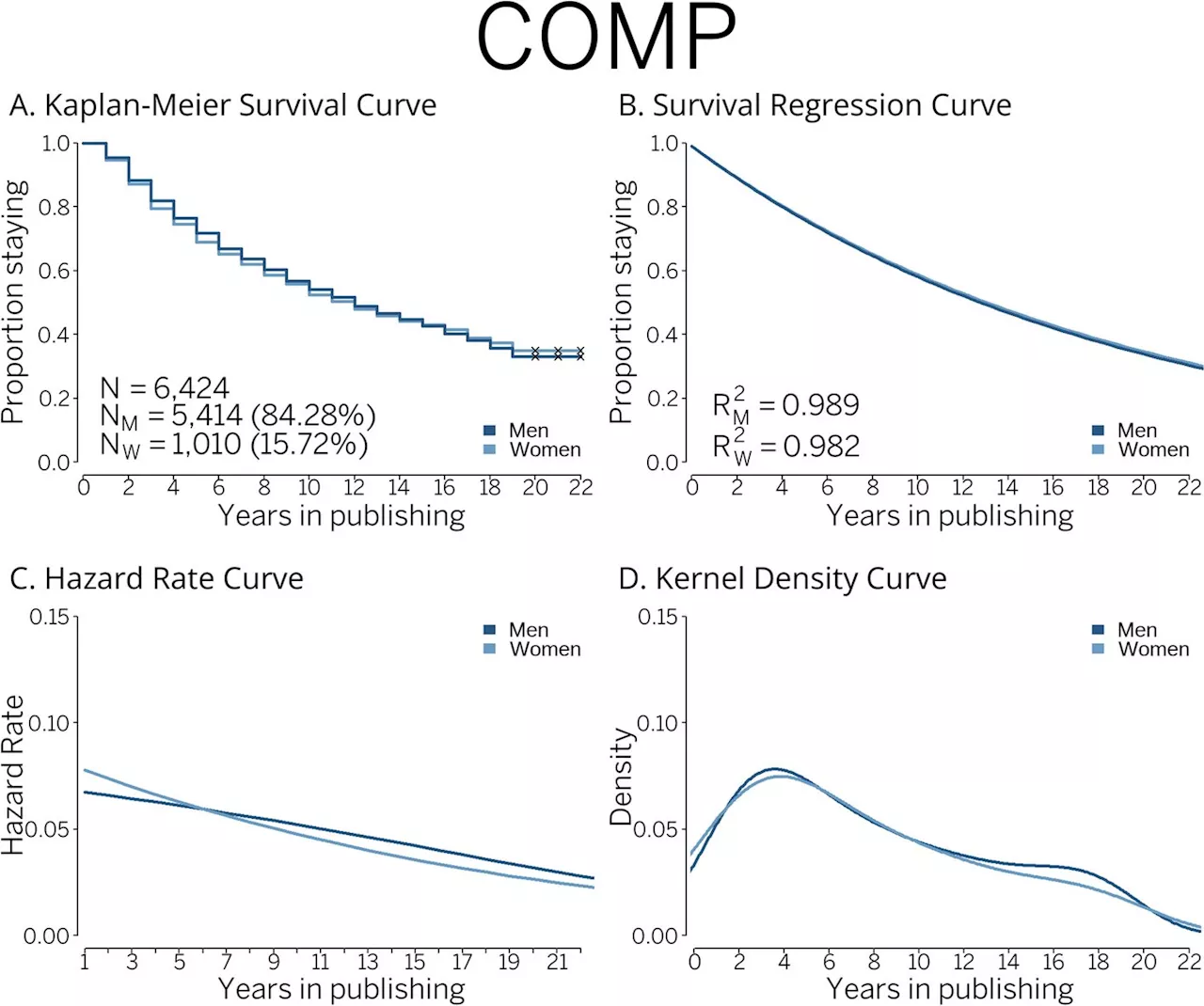 Disappearing scientists: Attrition and retention patterns of 2.1 million scientists in 38 OECD countriesResearch has been showing that women scientists continue to disappear from science at a significantly higher rate and in higher percentages than men. This is what social scientists have thought for decades—but this is no longer the case today, according to a study published in Higher Education.
Read more »
 New binder boasts 80% EV battery capacity retention even after 750 cyclesThe study was undertaken to help improve the performance and stability of electrodes, thereby increasing battery performance.
Read more »