


Indonesia plans to enforce a new rule requiring commodity firms to keep their export earnings onshore for at least a year, aiming to bolster the country's foreign-exchange reserves and support the rupiah. While the policy seeks to stabilize the economy, exporters express concerns about potential cash flow disruptions and increased borrowing needs.
Indonesia is set to implement a new policy requiring commodity firms to retain their export earnings onshore for a minimum of one year, intensifying an existing requirement. This measure, scheduled to come into effect on March 1st, aims to bolster Indonesia's foreign-exchange reserves and provide support to the rupiah currency.
However, exporters have expressed concerns that the policy will negatively impact their cash flow management and necessitate larger loans to cover daily operational expenses. Currently, exporters are obligated to keep 30% of their export proceeds in Indonesia for a period of at least three months.David Sumual, chief economist at Bank Central Asia, cautioned that a sudden shift in policy could disrupt businesses and strain their cash flow. He emphasized that unprepared exporters would face significant challenges. The Indonesian rupiah has been under pressure from the strengthening US dollar, depreciating by over 7% since the end of September, despite multiple interventions by the central bank. Bank Indonesia's unexpected interest rate cut last week further exacerbated the country's economic woes. This new regulation emerges at a time when Indonesia's natural resources sector, the cornerstone of its economy, is grappling with other abrupt policy changes under the newly inaugurated President Prabowo Subianto.While the incoming administration had previously signaled its intention to extend the foreign-exchange retention period, the magnitude of the changes has taken exporters by surprise. This marks a departure from the more gradual approach adopted by Prabowo's predecessor, Joko Widodo, who relied on tax incentives and clearly communicated export bans to encourage investment in the processing of raw commodities. Moreover, this policy shift coincides with a period when coal and nickel, two of Indonesia's most valuable commodities, are trading near multi-year lows. Both sectors, along with the country's extensive palm oil plantations, will be significantly impacted by this measure. Sutrisno Iwantono, head of the public policy division at the Indonesian Employers Association, expressed concern that such a retention rule could trigger potential job losses due to strained company cash flows within the mining and plantation sectors. He also warned of a ripple effect stemming from reduced coal and mineral production. The commodities covered under the new rule account for nearly half of Indonesia's non-oil and gas exports. Shipments of mining, agricultural, forestry, and fisheries products reached nearly $115 billion last year. Coordinating Minister for Economic Affairs Airlangga Hartarto stated that exporters can utilize their foreign currency proceeds to settle state dues, taxes, and dividends, according to a statement released by the presidential palace. They are also encouraged to convert their funds into rupiah and employ a specific deposit instrument as back-to-back collateral for loans obtained from banks or Indonesia Exim bank. Bank Indonesia Governor Perry Warjiyo affirmed that BI is providing support for the program by offering attractive interest rates on FX deposit instruments and hedging through FX swaps. He further disclosed that BI is in the process of preparing two foreign currency-denominated securities, known as SVBI and SUVBI, where exporters can park their earnings, in addition to term deposits and swaps currently available under the existing policy. These instruments can be traded in the secondary market
COMMODITIES EXPORT EARNINGS INDONESIA RUPIAH FOREIGN EXCHANGE RESERVES CASH FLOW ECONOMIC POLICY BANK INDONESIA
United States Latest News, United States Headlines
Similar News:You can also read news stories similar to this one that we have collected from other news sources.
 Australia Tightens Visa Rules for International StudentsAustralia has made it harder for foreign students to obtain visas, citing concerns about housing shortages and migration. This move comes despite the significant economic contribution of international students, who generate over $36 billion annually for the country.
Read more »
 China Tightens Export Controls Amid US Trade TensionsThe US-China trade war is heating up, with China imposing stricter export controls on critical minerals like graphite, gallium, and germanium. This move comes in response to the Trump administration’s threat of tariffs on Chinese goods.
Read more »
 US Tightens Chip Export Rules to China Amidst AI CompetitionThe United States is imposing new restrictions on the export of artificial intelligence chips to China, aiming to curb its advancements in the field. The Department of Commerce's updated rules build upon existing export controls implemented in 2022 and target advanced AI chips produced by companies like Nvidia.
Read more »
 Earnings playbook: Stocks set to make the biggest moves this week on earningsThese stocks could see sharp moves on the back of their latest earnings results, including a large group of banks.
Read more »
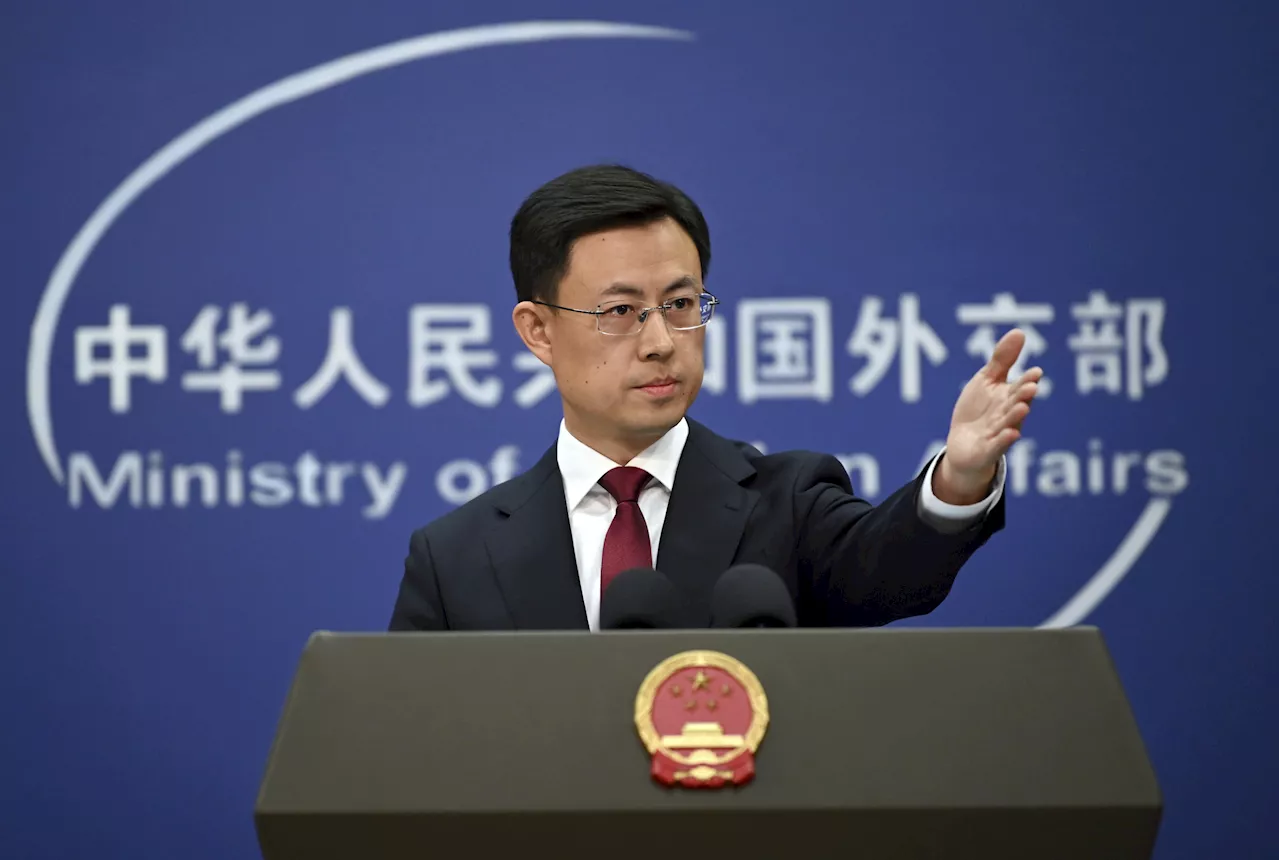 China Warns of 'Resolute Measures' After US Tightens Chip Export ControlsThe Biden administration's latest move to restrict China's access to advanced semiconductor technology has triggered a warning from Beijing. The US Commerce Department unveiled new measures to strengthen due diligence requirements for chip manufacturers, aiming to prevent the diversion of chips to blacklisted entities like Huawei.
Read more »
 Waymo's Chinese RoboTaxi Plans Face US Export RulesWaymo, Alphabet's self-driving technology company, is forging ahead with its partnership with Chinese automaker Zeekr to build next-generation robotaxis despite new US export rules aimed at restricting technology transfer to countries like China and Russia. The rules, set to take effect in 2027 for software and 2029 for hardware, have raised concerns about the future of this collaboration. Waymo maintains that its vehicles will not be impacted by these regulations as all connected technology is sourced and installed in the US. The company asserts that the vehicles received from Geely are essentially base models without telematics or communication capabilities, and Waymo's self-driving system is added afterwards. While Waymo is confident its plans are on track, it acknowledges the need to closely monitor potential tariffs on imported Chinese electric vehicles, adding another layer of complexity to the situation.
Read more »