
The most important stories for you to know today
LAist is part of Southern California Public Radio, a member-supported public media network. For the latest national news from NPR and our live radio broadcast, visitBaker Commodities, Inc. in Vernon is among four facilities that render dead animals, kitchen grease and wastewater a few miles southeast of downtown L.
A.If you encounter foul odors in Los Angeles, Orange, Riverside and San Bernardino counties, you can file a complaint with the South Coast Air Quality Management District. This agency is tasked with regulating air pollution, and protecting residents’ health and quality of life.Air pollution can cause or worsen many health problems, including asthma attacks, heart disease, certain types of cancers, and premature death.This story is part of our five-part series investigating how rendering plants in, and near, the city of Vernon are affecting residents in Southeast L.A. You can read the series here.to describe what you smell vividly as well as the time and the location you experienced the bad smell.. These facilities receive dead animals, as well as kitchen grease and wastewater, and turn those materials into ingredients for pet food, cosmetics, and other products. Odors from the plants sometimes seep into neighboring communities and can cause health problems. Four rendering companies are clustered together a few miles southeast of downtown L.A., in and very near the city of Vernon, along with a handful of slaughterhouses, meat processors, and many other industrial facilities. Public health experts interviewed by LAist say the density of these facilities, coupled with the hazardous chemicals rendering plants can emit, pose serious health risks to nearby residents.A rendering plant is a facility that converts livestock and pet carcasses, as well as kitchen grease and wastewater, into industrial-use fats and oils. Once converted, these materials are used to manufacture soaps, cosmetics, and many other products. What type of companies send dead animals and other materials to rendering plants? Typically slaughterhouses, restaurants, supermarkets, and animal shelters. For example, many grocery stores collect meat and bone scraps from their butcher departments and send them to rendering plants.But SoCal residents don’t have to face these issues alone. If you encounter a foul odor in your neighborhood, you can reach out to the South Coast Air Quality Management District . This agency is tasked with monitoring air quality in the area. In 2021, it received nearly 400 complaints about rendering plants in the region — and many more in the years before that, according to Wayne Nastri, the regulatory agency’s executive director. The number of complaints dropped significantly this year, but the issue still persists. An LAist review of AQMD records found that these odor complaints have been lodged from homes and businesses in surrounding neighborhoods, as well as from local schools. One person who reported air problems said they’ve been waking up to the stench of “burning animal carcass” for the past 32 years.Since 2000, most air quality complaints to AQMD have involved odors. Agency officials say the spike in 2021 was in response to problems at Dominguez Channel and the Hyperion Water Reclamation Plant.that caused chemicals in beauty products to seep into the Dominguez Channel. Those chemicals killed off vegetation along the channel, releasing high levels ofinto the Pacific Ocean. Community members experienced nausea, headaches, and eye irritation. To ward off the smell, they shut their windows and avoided going outdoors. Some of them wore masks inside their homes.Los Angeles, Orange, Riverside, and San Bernardino counties . The agency’s employees work to control emissions from stationary sources of air pollution, including power plants, refineries and gas stations. AQMD issues permits and inspects these businesses to evaluate their compliance with local air quality rules, which are aligned with federal and state standards.Emissions from mobile sources, like cars, trains, and airplanes, are monitored by other agencies. If you live in northern L.A. County, there’s one exception to keep in mind: The Antelope Valley — which includes cities like Lancaster and Palmdale — is outside AQMD’s jurisdiction. That area is monitored by theJill Johnston, associate professor of population and public health sciences at USC, underscores that strong odors don’t just diminish local residents’ quality of life, they can also impact their health.This well-researched, investigative journalism is only possible — and free for all — because of support from readers like you. Today, put a dollar value on the trustworthy reporting you rely on all year long. Thank you for your partnership, we can't do this without you.Emissions from rendering plants can contain hydrogen sulfide and sulfur dioxide, she said. These chemicals can exacerbate asthma symptoms and elevate blood pressure, Johnston added, and long-term exposure can adversely affect respiratory and cardiovascular systems.that air pollution can “cause or worsen many health problems, including asthma attacks, respiratory disease, heart disease, certain types of cancers, and premature death.” All options are available 24 hours a day. During business hours , your call will be answered by an attendant. Outside of business hours, you’ll be asked to leave a voice message. The app is especially useful because it enables you to track the status of your complaint. You can also attach any images related to the issue.a strong odor, think of specific ways to describe it and try to identify its source, said Victor Yip, who oversees compliance and enforcement at AQMD.The time the air quality incident occurred and whether it’s continuing at the time of your reportYour contact information When it comes to recurring odor issues, it’s useful to tell the agency the full scope of the problem, for example,"This happens every night at this time," Yip said. These details help inspectors “track [the odor] and get more information to be able to launch our investigation.” Yip urges residents to file complaints when an odor issue is happening, instead of waiting for it to pass, which can make it difficult to confirm and investigate. He also noted that AQMD takes anonymous complaints. However, if you choose not to provide your contact information, the inspector won’t be able to contact you to learn more about the issue or provide any follow-up information.When the agency receives complaints after hours, they’re routed to a standby supervisor who reviews them to determine if it’s necessary to take immediate action. Unless the air quality incident appears to pose a serious threat to the health or safety of the public, the supervisor usually dispatches an inspector to follow-up the next business day, Yip said. If AQMD receives three or more complaints from different households about the same issue, an inspector will be dispatched after hours.can be resolved over the phone without additional follow-up. For example, after getting a call back from an inspector, a community member might say the odor they encountered is no longer present. Other odor complaints require more work. If the source of a stench is unknown, an inspector will investigate potential sources based on the description in the complaint. In these cases, the inspector assigned to your complaint might call for additional information. Yip said investigations are sometimes delayed when community members don’t answer follow-up calls. “We understand everyone's busy,” he added, “but it would be just very, very helpful to our inspectors if you can pick up the phone.” Following that chat, the inspector will locate and attempt to verify the source. Then, the inspector will survey the facility to determine the cause of the air quality problem.This story is part of a series that was reported over the course of many months and required extensive interviews in the community and a dozen public records requests. Julia Barajas is the lead reporter and Mary Plummer is the main story editor.helped make this project possible. Ron Olson is an honorary trustee of Southern California Public Radio. The Olsons do not have any editorial input on the stories we cover.We are here to investigate abuse of power, misconduct and negligence in government, business, and any venue where the public is affected. More CA Adults Are Food Insecure, Kaiser Strike Enters 2nd Day, & Dianne Feinstein Funeral Today — The A.M. ReportIn today's forecast, you'll see a warming and drying trend through tomorrow with highs in the 90s inland, up to 100 in the low desert.Heat advisory out for Riverside, San Bernardino and the Inland Empire. Wind advisory out for the Santa Monica, San Gabriel mountains and a couple major corridors.On top of the sizzling heat, the Santa Anas are here to stay. Though this weather is unfavorable, it might not be all that bad. As Jack Black once said inThis afternoon's highs will be in the mid-80s to around 90 from the beaches to downtown Los Angeles and the coastal valleys. Over in the Antelope Valley the highs will be in the upper 80s to low 90s. Make sure to drive carefully along the Highway 14 corridor as gusty winds will make their presence. From the Santa Clarita to San Gabriel Valley, the highs will be in the mid 90s, while in the hottest part of the San Fernando Valley, it will get up to 98. In Orange County, inland areas will reach up to 94, more along the coast highs will reach up to 89. The Riverside and San Bernardino areas will reach up to 97 and in Coachella Valley communities will top out to 100.Another wind advisory is out for these areas until 3 p.m. — winds will range between 20 to 30 mph, gusts up to 55 mph:And there's also a heat advisory out for San Bernardino and Riverside County Valleys, including the Inland Empire and Orange County inland area. This advisory is in effect from 12 p.m. today until 7 p.m. Friday.Things to doPlay a round or two of bingo at Mama Shelter’s October Drag Bingo night for a chance to win prizes, including a night stay at the hotel. The night's hosted by Billy Francesca.The rendering company Baker Commodities in Southeast L.A. — which recycles animal parts and carcasses into materials for everyday products — was the focus of years of community odor complaints before being shuttered by the South Coast Air Quality Management District for nearly nine months.The company has since partially reopened after meeting with the agency’s regulatory panel. Baker is suing AQMD for $200 million in damages and an upcoming court decision could allow it to fully reopen.In a new investigation out today, LAist spoke with dozens of local residents and reviewed odor complaint records, violation records, notices to comply, and inspection reports to piece together how the rendering of dead animals at Baker has impacted surrounding communities.A small region of Southeast L.A. with startlingly high rates of cancer-risk and other ailments is home to a disproportionate number of plants that handle the rendering of animals, hazardous wastes and other manufacturing that creates health hazards. In the small city of Vernon alone, or very nearby, there are six slaughterhouses, four companies licensed for rendering, and at least 40 meat processors,about adverse effects — including putrid odors that burn people’s eyes and throats and led students to want to go home from school.that underscores competing interests of industry, health and quality of life in a densely populated region where more than one in five people live at or below the poverty line.were described by one inspector with the South Coast Air Quality Management District, which is responsible for holding businesses accountable to the law, as smelling “intensely of rotting animals.” He said in a sworn written statement filed in court that the first time he inspected Baker he wanted to vomit. Tucked along Bandini Boulevard in the city of Vernon are the headquarters for Baker Commodities, Inc. a company that employs 900 workers across the U.S. and is home base for some of the grisliest industrial work in the country. Behind the nondescript walls of its campus along the L.A. River sit machines used to grind, cook, and press leftover pieces of cows, pigs, and chickens. These remains — and, sometimes, entire carcasses — are delivered on semi trucks from butcher shops, grocery stores, restaurants, slaughterhouses and livestock farms. A worker then pushes them into a pit with a tractor and, through a process called rendering, they’re turned into fats, meat and bone meal, and hides. These materials are recycled to make scores of everyday products, including soap, pet food, makeup, and leather goods. The long-running industry plays important roles inFor decades, residents in surrounding neighborhoods have complained of putrid dead animal smells. In 2017, community pressure compelled the local agency that oversees air emissions, the South Coast Air Quality Management District , to adoptto mitigate odors from Baker and a handful of other rendering plants. Among other requirements, the rule forces these companies to post signs indicating where residents can report odor issues — a demand some plants lobbied against. Then, in September 2022, the agency shut down Baker, citing repeat violations of its odor mitigation rule. At the time, community members and elected officials celebrated the closure as a win. But what many don’t know is that the company has partially reopened and is waging an intense legal battle against AQMD. After AQMD shut it down, Baker filed a lawsuit against the AQMD in L.A. County Superior Court. Baker claims the company was not in violation of the odor mitigation rule and that it was treated unfairly. Baker also demands that the shutdown order be tossed out and aims to bar air regulators from shutting it down in the future.LAist spoke with dozens of local residents and reviewed odor complaint records, violation records, notices to comply, and inspection reports to piece together how the rendering of dead animals at Baker has impacted surrounding communities.. Eight of them were for violating the odor mitigation rule. The rest were for failing to comply with permit conditions and other requirements. Three of the violations are still pending. LAist found 111 odor complaints identified by the person reporting the smell or by AQMD as being tied to Baker between August 2019 and late last week. These complaints came from homes, local schools, and businesses near Baker’s headquarters. Baker failed to store animal remains within four hours of delivery, leaving them out to fester and violating AQMD’s rules, according to the agency’s attorneys — and it did so six times between August 2019 and January 2022. An AQMD inspector reported Baker violated AQMD rules that require surfaces exposed to animal matter to be washed down at least once per working day, according to hisfiled in Baker’s court case. The inspector said he saw strings of animal matter dangling on grates at the company’s headquarters. In Baker’s unloading zone for animal remains, broken concrete or asphalt was present in March and April 2022, according to AQMD’s attorneys — a problem that officials at the agency say can cause water to pool and smells to fester.In the year since AQMD ordered Baker to shut down, residents say the odors are less intense and less frequent — and AQMD complaint records associated with the company show a dramatic drop in reported smell problems. The shutdown lasted nearly nine months, until the company petitioned the court and was granted permission to work in a limited capacity, doing trap grease and wastewater treatment — but not rendering animals. Many community members were worried to learn from LAist that the court may allow the company to fully reopen and return to rendering livestock and poultry without making long-term changes to the way they operate.In addition to rendering animals, the Vernon facility processes trap grease and wastewater. Trap grease comes from devices that capture fats, oil and grease in restaurant kitchens, to keep them from entering the sewer system. At its Vernon headquarters, according to court filings, Baker collects and treats 21 million gallons of grease trap water per year that it neutralizes before it enters the sewage system.A review by LAist also uncovered details of the steps Baker has taken to try to get back to running at full scale in Vernon. The rendering company submitted 125 legal filings in its battle against AQMD over a 12-month period, arguing that it’s in compliance with the odor mitigation rule. In that time, it’s had two law firms working the case, which calls for $200 million in damages from the government agency for lost revenue, the disclosure of trade secrets and other items. Its current legal team at DLA Piper — a top-ranking, multinational law firm — includes Angela Agrusa, who specializes in brand-crisis litigation and hasthat Baker Commodities would come at an agency that is really intended to protect the public's health is not just unfortunate, but it is despicable,” said Angelo Logan, who grew up in the nearby city of Commerce and returns weekly to visit his mother. Logan currently serves on the White House Environmental Justice Advisory Council and learned of the litigation from LAist. Cudahy Councilmember Elizabeth Alcantar, who lives about 3 miles away from Baker, was also unaware of the legal fight until LAist’s reporting.Alcantar grew up in Cudahy and says she and her family have endured the stench of rotting flesh for as long as she can remember. She was shocked to hear Baker is pursuing legal action that will cost taxpayers money, instead of addressing community concerns. “It's going to take AQMD's time and funds away from what they should be doing, which is enforcement,” Alcantar said of the litigation, explaining that the community has been under duress for years due to foul odors. “[W]e are here, simply wanting to breathe clean air.”This well-researched, investigative journalism is only possible — and free for all — because of support from readers like you. Today, put a dollar value on the trustworthy reporting you rely on all year long. Thank you for your partnership, we can't do this without you.Baker’s assistant vice president of public relations and legislative affairs, Jimmy Andreoli II, declined multiple interview requests. Agrusa, Baker’s lead attorney, did not respond to our requests for comment. In an emailed statement Andreoli said, “While we cannot comment on active litigation, we are dedicated to finding sustainable ways to support California’s food production and restaurant industries with continued strict adherence to local, state, and federal environmental laws.” “Some of our business operations have been approved to resume,” said Andreoli, who is the grandson of Baker’s 96-year-old CEO, James Andreoli. Jimmy Andreoli II added that they look forward to finding long-term solutions with AQMD. Baker’s lawsuit against AQMD is still pending. Later this month, if a settlement isn’t reached beforehand, an L.A. Superior Court judge is scheduled to decide whether the rendering company can reopen at full capacity. The judge will also rule on the $200 million in damages Baker is seeking, as well as its call to keep AQMD from shutting it down in the future. If Baker succeeds in court, interviews with community members suggest it could further erode the relationship between the city of Vernon and local residents across Southeast L.A., many of whom are grappling with odors on top of other environmental issues.Many people who live in or near Vernon have no idea that they live close to four rendering plants that process everything from fat, to livestock, to the remains of cats and dogs. The city, which is just 5 square miles in size, is also home to at least 40 meat processors, which buy meat from slaughterhouses to prepare items found at grocery stores, like sausages and steaks. There are also six slaughterhouses within 1 mile ofAt some places, silos and smokestacks hint at what’s happening inside, along with flocks of seagulls hovering far from shore. But, for the most part, these businesses are tucked behind bland metal sheets and concrete walls.is sandwiched between the L.A. River and several train tracks. The rendering company has been in Vernon since the 1940s. But after AQMD determined that Bakerto seal off its rendering operations to keep potential odors from escaping in spring 2022, the agency’s legal counsel moved to shut it down.AQMD’s hearing board, which enforces the agency’s regulations, gathered to vote on the shutdown in September of 2022. Before reaching a decision, the board held a hearing, which LAist found little media coverage of at the time. It provided Over a span of three days via Zoom, attorneys for both parties peppered an AQMD inspector with questions. In 2022 inspector Dillon Harris testified that he visited Baker nine times. He documented hooves and other animal bones strewn across the floor, overflowing from a large trash bin. He spotted a trough with built up blood, animal fat, and wastewater. He said he saw staff dumping sludge — a thick, pancake batter-like mix of liquid and solid animal remains — from trucks into open-air pits. Baker, he said, also left equipment doors and panels open, which are supposed to be kept shut to trap possible smells, and employees dumped expired clams, shrimp and ground beef into an exposed container.[Caution: these links go to images of the photos displayed on video in hearings]out of the rendering equipment. Baker has argued that photos shown during the hearing should be sealed from the public’s view because they contain trade secrets that competitors can now access. Photographs taken by AQMD Inspector Dillon Harris took during multiple inspections of Baker's rendering facility in Vernon in 2022. Baker later filed an emergency motion asking a Los Angeles Superior Court judge to restrain the AQMD from publishing the inspector's photos and to take them down from AQMD hearing board videos on YouTube. The judge denied it in October 2022.Photographs taken by AQMD Inspector Dillon Harris took during multiple inspections of Baker's rendering facility in Vernon in 2022. Baker later filed an emergency motion asking a Los Angeles Superior Court judge to restrain the AQMD from publishing the inspector's photos and to take them down from AQMD hearing board videos on YouTube. The judge denied it in October 2022., spoke at the hearing and disputed Harris’ findings. Jimmy Andreoli II said he visited the Vernon facility a week earlier and saw “a wash truck that was moving throughout the facility and washing down various roadway surfaces.” Baker attributed some of the inspector’s findings to human error. Jason Andreoli, who was identified at the hearing as Baker’s general manager, said the company put up signs reminding staff to keep the doors closed. “And we also put a policy in place that if they are left open, there’s gonna be disciplinary action,” he said. Several hearing board members appeared mystified by Baker’s claims that the company was in compliance with AQMD rules. "Every picture virtually that we see is of equipment that is absolutely filthy," said the late Dr. Allan Bernstein, one of the hearing board’s voting members who died last spring. "It's mind-boggling to sit here and see anyone try to defend this position when we're all looking at these pictures with our eyes," he added. During closing statements, AQMD attorney Daphne Hsu said she understood the magnitude of shutting down the company. “We don’t ask a facility to stop operating lightly,” she said, noting Baker could have proposed a timeline to come into compliance. Instead, she said, the company chose to dispute the agency’s findings.The hearing board voted 4 to 1 to shut down Baker. That’s when the court battle began.in November 2017, rendering facilities that had to comply were given 90 days to meet basic standards. The goal of the rule was straightforward: to keep potential odor sources contained and protect people living nearby. The rule requires steps like washing down surfaces at least once a day and repairing cracks in the asphalt to keep pools of odorous bacteria from forming. Seagulls regularly gather near and above rendering plants. Bones are scattered on a sidewalk outside Darling International, Inc, a rendering plant neighboring Vernon, CA.“As they're bulldozing and pushing all these raw carcasses, [the animal remains get] smeared across asphalt and concrete, and odors start developing,” explained Wayne Nastri, AQMD’s executive officer, in an interview with LAist. “What the rule actually intended to do was to control the process the whole way, to minimize [animal remains’] exposure to the air that would generate those kinds of odors.” AQMD gave renderers subject to the rule up to three and a half years to install enclosures, or bring all their operations into a closed system indoors, to keep odors from drifting off site. Some asked for extensions before they finished the work, but, according to AQMD, Baker is the only one that has not complied. In its lawsuit, Baker repeatedly argues it is in compliance. When Harris, the AQMD inspector, checked out Baker for the first time after the rule went into effect in 2018, he remembers being disgusted.Recalling the inspections he conducted at Baker in 2022, Harris added that: “The odor at the facility smells intensely of rotting animals.” His work boots, he explained, were so soaked through with the smell of rendering that he couldn’t use them at non-rendering facilities. In one of Baker’s rendering plants at its Vernon campus, he said “rotting odor emanates from all sides.” L.A. County Supervisor Janice Hahn’s district includes Vernon — she advocated last year for Baker’s shutdown. “It was clear that Baker Commodities had long violated air quality rules and had done little to nothing to come into compliance,” she said in an emailed response to questions from LAist. “It was time for [AQMD] to uphold the rules they had on the books and protect the community from this company." Nastri, AQMD’s executive officer, declined to speak on Baker’s lawsuit, citing pending litigation. Court filings show AQMD has hired two outside law firms to work the case, in addition to the agency’s in-house attorneys. They’ve filed a cross-complaint against Baker, demanding that the rendering company pay $10,000 per day for each of its violations. Nastri confirmed to LAist that Baker has committed the most violations out of any of the rendering plants in its jurisdiction. The air pollution agency’s rules “are there to ensure that we have a level playing field,” Nastri said. “And to all those companies that are making the investments, that are operating in conditions that they're supposed to operate, it's unfair if we were to let others who do not make those investments and seek to profit off of the lack of compliance — that's just wrong.” “We are very consistent and very strong in our enforcement approach,” he added. “And so long as those companies continue to violate those rules or regulations, we will go after them. Period.”Residents of Southeast L.A. County, as well as Boyle Heights and unincorporated East L.A., have put up with rendering plant odors for years. And Baker is not alone — odor complaint records reviewed by LAist show the three other nearby rendering plants have also generated concerns.So have other businesses. The city of Vernon is home to just 222 residents and is almost exclusively industrial — nearly 600 of its businesses handle or store hazardous chemicals, according to a city report. Local residents have lodged complaints with AQMD about strong garbage odors from trash collection companies, as well as nauseatingly sweet smells from flavor and fragrance suppliers. One resident complained their neighborhood reeked of “melting Jolly Ranchers.” Shifting wind patterns near Vernon add to the challenges. According to Terrence Mann, AQMD’s deputy executive officer of compliance and enforcement, an odor can start off in Monterey Park, “then, just a few minutes later,” pop up in Huntington Park — about 11 miles away., as well as odor complaint data obtained through public records requests, show that people living in the area encounter the smells at dinner time; on their way to school; at work; on the playground; and during class. Sometimes the stench comes and goes. But sometimes it persists for hours, or even several days. When it’s especially pungent, it can be stomach-churning. Community members also report getting headaches, as well as an itchy, burning sensation in their eyes and throats.In interviews with LAist, affected residents often used phrases like “dead animal” or “rotting carcass” to describe these odors. Still, most of them have no idea where the stench comes from. Some local residents who’ve driven in Vernon past the“It wasn't just that there was a smell — we all live in cities [that] have smells — it's that it was a stench,” said Jackie Goldberg, Los Angeles Unified School District's school board president. She fielded complaints from teachers and parents at schools near Baker and joined other elected officials in ayou can look up details hereThe smell was so bad it made it impossible to get through the day’s lessons, she said. Students were putting their heads down, asking to go home. “It impacts your body,” she added. “You feel it in your eyes, you feel it in your throat, you smell it, you get headaches, your eyes burn. It's not good for you, and it’s not good for kids in particular.”“The smell is so strong, putrid, and nauseating that my students could not focus,” she wrote. “[A]nd now, 20 years later, it is insulting that we are still dealing with the same problem.” Without working air conditioning in her classroom, Garcia had to choose between shutting the door and windows to keep the odors out, or letting the stench in to get some ventilation. “And the hotter it got, the worse that smell would get,” she told LAist. “It was a constant struggle.” Baker's lawsuit was news to Garcia when she found out about it from LAist, but not a surprise. She said communities in Southeast L.A. have long been plagued by environmental justice issues and recalled that the now-shuttered Exide battery recycling plant Cristina Garcia, former State Assemblymember who represented parts of southeast L.A., photographed at Huntington Park High School where she once taught.“[Baker feels] that they could win and they could squeeze the agency on behalf of their bottom line, instead of on behalf of the public,” she said. Dora Gómez and her two children have lived in the city of Vernon for eight years in an affordable housing complex built on land donated by the city. Gómez said the smells have been a persistent issue. When they occur, she shuts her windows and avoids going outdoors. She also bought an air purifier and has routinely purchased scented wax melts to ward off the stench. Gómez had no idea four rendering plants circle her home in a 4-mile radius. She said she often thinks about leaving the area, but she pays less than $1,500 per month for a two-bedroom apartment and the rents in surrounding neighborhoods are not within her budget. “It's not a great place to raise your kids,” said Gómez, who said she worries about health effects from Exide in addition to the smell problems. Her apartment building has been flagged by the state Department of Toxic Substances Control for. “They've already been exposed to lead for all these years, it just makes you think like, you know, what else is in the air?Maria Monares has lived in East Los Angeles, about 3 miles north of Baker’s pressers and grinders, for over three decades. Her children, who are now grown, attended Eastman Avenue Elementary School, just across the street from their home. Monares’ neighborhood has also been subject to rendering plant odors, a “horrible smell” that she compares to the stench of “death” and “burning bones.” Aside from being unpleasant, the odors can be embarrassing, she said. Sometimes, the stench rolls in when she has company. Visitors will scrunch their faces in disgust and ask: ‘What isOver the years, Monares and her husband have lodged multiple complaints to AQMD. In some cases, the agency has sent inspectors out to her home. They’ve come, smelled what she’s smelling, asked questions, and taken notes. Then, the air quality got better. And when the odors returned, she and her husband got back on the phone.Businesses near Baker have also filed odor complaints with AQMD. Public records reviewed by LAist show that one company described a “horrible, putrid smell” that they said was coming from Baker. The “smell penetrates into our facility and many employees complain ... Some feel nauseous,” it added.“The biggest challenge is that all of [the rendering companies] are located in close proximity to each other,” said Mann, with AQMD. “That's part of the reason why our agency took the lead and created [the odor mitigation rule implemented in 2017],” he said, explaining that the agency now aims to proactively identify violations at rendering companies instead of waiting for complaints to come in before it takes action. Nastri, AQMD’s executive officer, noted that, in recent years, there’s been an overall drop in odor complaints associated with rendering plants in the region. In 2021, he said, AQMD received nearly 400 complaints. As of Oct. 2, the agency reported 84 complaints so far this year.Agriculture industry experts agree that rendering plays an important role in reducing waste. Humans don’t eat every part of the animals they consume, so “a tremendous volume of unused animal meat gets left over from our livestock and our poultry operations,” said Christine Birdsong, undersecretary at the California Department of Food and Agriculture. By repurposing animal remains — like using fats for biodiesel, instead of extracting carbon from fossil fuels — renderers across the country “reclaim the carbon” from 56 billion pounds of unused animal parts each year, Birdsong added. Renderers also minimize waste by transforming those remains into a myriad of “really valuable ingredients” used in everything down to the gelatin casings of medicine capsules, she said. “I have never seen any other industry that is more involved in recycling,” said Frank Mitloehner, a professor and air quality specialist at UC Davis’ animal science department. “I mean, literally, nothing goes to waste.” Mitloehner said rendering plants are especially significant when livestock farms experience mass die-offs, often due to the spread of disease or extreme heat. “You’re not allowed to compost [animals], you're not allowed to burn them. There's no other way of dealing with that,” he said. “Thank God we have people to work in [rendering plants],” Mitloehner added. “Because if we didn’t, we would have a serious disposal issue.” Some community members frustrated with rendering odors don’t dispute the importance of the recycling work that’s done at Baker. Dilia Ortega grew up in Huntington Park and now lives in South Gate. She works as a youth program coordinator for Communities for A Better Environment, a nonprofit that’s advocated for clean air, soil, and water in California’s working-class neighborhoods since the late 1970s. Ortega grew up smelling rendering odors. On her way to school, she’d instinctively cover her mouth and nose when her bus drove past Vernon. Today, her role at work puts her in contact with hundreds of students in Southeast L.A. Year after year, she told LAist, they identify dead animal smells as an ongoing issue in their neighborhoods. Dilia Ortega, Youth Program Coordinator at Communities for a Better Environment, photographed near the now closed Exide plant. This is a stop in the "Toxic Tours" lead by Ortega and other members of Communities for a Better Environment.When AQMD was weighing whether to shut down Baker last fall, Ortega shared these insights during public comment at the three-day hearing. She underscored that she was not advocating for a permanent closure. She just wants the company to abide by the rules. “We understand that they provide a necessary service,” she said. “But it cannot be done at the expense of our quality of life.”Jill Johnston, associate professor of Population and Public Health Sciences at USC, noted that strong odors don’t just diminish local residents’ quality of life, they can also impact their health., which smells like rotten egg, as well as chemicals that contain sulfur dioxide, she said. Some of the symptoms community members have reported — including itchy eyes and runny nose —. Rendering plant emissions can also exacerbate asthma symptoms, making it harder for residents to breathe, and elevate their blood pressure, Johnston said. Chronic exposure to these odor producing chemicals can also affect their cardiovascular systems. We shared our findings regarding Baker with Johnston, including what we learned through interviews with community members and our review of AQMD’s violation records. She said they point to “the need for more stringent enforcement of the standards, to ensure that these violations don't persist.” Johnston said the density of meat-related facilities in the region is also concerning and could pose a “potential cumulative burden” on nearby communities. “Even if everyone individually is in compliance,” she explained, “when you’re exposed to so many, the health effects can be greatly amplified.” Eleni Sazakli, a researcher at the University of Patras’ public health laboratory in Greece, specializes in studying the impact of rendering plants on local communities. She noted that odors can disrupt lives and social relationships. Even hanging laundry out to dry becomes an issue, because the wet cloth picks up the smell, she said.Odorous chemicals produced by rendering plants can also irritate the throat and nose and “produce headaches, nausea, fatigue and sleep disturbances,” Sazakli added. Some even have the potential to cause cancer. Pointing to the role rendering plays in reducing waste, Sazakli nevertheless maintained that rendering is “an environmentally friendly industry” that should be sustained. “But we have to follow very strict guidelines in their operation,” she added, and “adopt the best available technologies that we have in our hands.”But when Baker asked AQMD’s hearing board for permission to resume its trap grease and wastewater treatment processes in April 2023, the company’s Jason Andreoli said no staff had been cut. “[W]e haven’t even let go of any of our employees,” he said at the hearing. “These people are family. ” Bertha Rodríguez, a spokesperson for United Food and Commercial Workers Local 770, confirmed that none of the 32 union members employed by Baker have lost their jobs., also told LAist that none of its members have been laid off. During the April hearing he said Baker had been good to its employees. “Not only did they pay their wages, they paid their health and welfare [and] their pension contributions,” he said at the time. The International Union of Operating Engineers Local 501, which also has union members who work at Baker, did not respond to multiple requests for comment. LAist posed the question of jobs to Goldberg, Los Angeles Unified’s school board president, and four Southeast L.A. officials who all complained to AQMD about rendering odors. All agreed that jobs are important. All maintained that the plants need to be in compliance. “We did not want [Baker] to close, because it employed many of the people that I represent,” Goldberg said, referring to her role on the school board. “But we did want them to run their business following the regulations that they're required to.” “I would love to see it reopen,” she added, “but I don't want it to reopen if they're not going to be closely monitored and closely regulated.” Rendering companies “need to adhere to the established regulations,” said South Gate mayor Maria del Pilar Avalos, who lives about 6 miles from Baker. When the rendering odors have been especially pungent, they’ve made her eyes burn. They’ve also caused her family members to forgo day-to-day activities, like walking their dog, she said. Still, Avalos believes the rendering companies and local residents can coexist. “We need to see how we can utilize our 21st century technology to address those quality of life issues, so that it's a win-win for the companies as well as for our communities,” she said.says the city is considering steps to strengthen local control over rendering. These include plans to enact a moratorium on building new rendering plants, along with increased fines for facilities that are not in compliance with AQMD’s odor mitigation rule. But Angela Kimmey, deputy city administrator, said the city won’t be enacting the moratorium. The other plans are in “various stages of development,” she said. Vernon aims to encourage business growth and demonstrate that rendering plants and local residents can coexist. To this end, Vernon hosted a tour of a rendering company that’s in compliance with AQMD last summer, inviting regional and southeast L.A. elected officials to come along.Vernon Mayor Crystal Larios added in an emailed statement that the city wants “to support our business community,” but recognizes that it has to do its part to shift toward supporting greener commerce, like data centers, green hydrogen, and the electrification of transportation.“These types of green commerce will not only help existing businesses sustain future growth but heavily reduce the impact on air quality, minimize the number of trucks, and overall decrease the carbon footprint,” Larios said. LAist requested an interview with Larios multiple times over a four-week period but received no response. Kimmey, who relayed the emailed statement, said the mayor was unavailable. Hahn, the L.A. County supervisor whose district includes Vernon, told us she was disappointed to see that Baker hasn’t used available state funding to build enclosures that would contain the smells and protect community members from exposure.“We need the South Coast AQMD to be strong and hold companies accountable,” Hahn added. “I think it is important for residents in Southeast L.A. to know that, unfortunately, this fight isn’t over.”We are here to investigate abuse of power, misconduct and negligence in government, business, and any venue where the public is affected.This story is part of a series that was reported over the course of many months and required extensive interviews in the community and a dozen public records requests. Julia Barajas is the lead reporter and Mary Plummer is the main story editor.helped make this project possible. Ron Olson is an honorary trustee of Southern California Public Radio. The Olsons do not have any editorial input on the stories we cover.LAist reporter Julia Barajas recounts two bus rides — one as a student waiting for her ride to high school and the other as a reporter that got her thinking about where the terrible smells she grew up with in Southeast L.A. originated.Barajas goes deep into what's happened since her student days in the early 2000s and why the odors continue to this day. She reports:When I was still in high school, my bus stop was on the corner of Miles and Saturn avenues, in the city of Huntington Park. It was across the street from an elementary school, and a stone’s throw from city hall, the public library, and a very nice little park. Each weekday morning, I’d stand on that corner to wait for a yellow LAUSD school bus to pick me up and take me to a magnet school in the South Bay. Every so often, a putrid odor would fill the crisp morning air. I’d hold my breath to avoid taking it in. Then, I’d stare down the street, hoping the bus would get there early and whisk me away.started — back in the early 2000s, back when I was still in high school and experiencing those bad smells that still occur today. LAist reporter Julia Barajas stands at the corner in Huntington Park, where she waited for the school bus as a child.I recently hopped on another bus in Huntington Park — two decades later and now a reporter for LAist. I was with a group of high school studentsThe “Toxic Tour” is hosted by Communities for Better Environment , a nonprofit that’s advocated for clean air, soil, and water since the late 1970s. The tour takes you on a four-hour journey that highlights the impact of industrial polluters on residents’ health and quality of life. It also emphasizes how community members have fought back against environmental ills, this as a means of inspiring the next generation of activists. In September 2022, our tour was specifically designed for residents of Southeast L.A.debris from the 1994 Northridge earthquakeinto surrounding neighborhoods. After this came to light, the company filed for bankruptcy, leaving it up to California taxpayers to pay forThis well-researched, investigative journalism is only possible — and free for all — because of support from readers like you. Today, put a dollar value on the trustworthy reporting you rely on all year long. Thank you for your partnership, we can't do this without you.As we stood outside the battery plant, I recognized a stench: the same one I used to smell while waiting for the bus. A student from South Gate High recognized it, too. She said it was something she often encountered on her campus. Farmer John's Vernon facility, which closed earlier this year, is covered in murals depicting pastoral scenes with happy pigs.Our tour guides told us that Southeast L.A. residents often attribute this dead animal odor to the Farmer John slaughterhouse in Vernon, which is renowned for its hauntingly picturesque pig murals. On the tour, the guides pointed out that Vernon is also home to facilities that recycle animal remains from slaughterhouses, grocery stores, restaurants, and shelters. Through a process called “rendering,” those remains are turned into materials that can be used for other products. I thought about the rendering plants on my drive home from work a few days later. While heading south on the 5 Freeway near the city of Commerce, a nauseating smell entered my car. I rushed to roll up the windows, but the stench still left me with a sharp headache. I looked around to see where it could be coming from, wondering if anyone monitored odor emissions. When I got home, I checked.The South Coast Air Quality Management District is tasked with monitoring and improving air quality in most of L.A. County. I also learned that community members can file odor complaints. Then, through CBE, I found out that AQMD was in the process of shutting down a rendering plant that the agency said had repeatedly broken the rules.and she encouraged me to file public records requests with AQMD. Our goal was to get a better sense of the odors’ impact on local communities. One of my first requests called for all air quality complaints from August 2022 to the present filed in Vernon, along with neighboring areas and some non-adjacent cities. I also requested all air quality complaints associated with Baker Commodities, Inc. the rendering plant that I'd heard was being shut down by regulators. In this case, we asked for records dating back to August 2019. The first batch of public records data was illuminating. In recent years, AQMD has received hundreds of complaints about rendering plant odors. As I read through them, I noticed that some were from local schools, while others were from local businesses. One complainant said “IT SMELLS LIKE ROTTING DEAD BODIES EVERY SINGLE DAY.” Another person said that the “ODOR IS SO BAD THAT EVERYONE HAS LEFT THE OFFICE, AGAIN.”A rendering plant is a facility that converts livestock and pet carcasses, as well as kitchen grease and wastewater, into industrial-use fats and oils. Once converted, these materials are used to manufacture soaps, cosmetics, and many other products. What type of companies send dead animals and other materials to rendering plants? Typically slaughterhouses, restaurants, supermarkets, and animal shelters. For example, many grocery stores collect meat and bone scraps from their butcher departments and send them to rendering plants.The complainants also said the stench made it difficult for them to breathe. They said it gave them headaches and made their stomachs churn, that it made their eyes itch and throats burn. Some community members reported smelling it in the evenings, others encountered it while dropping off their kids at school. Many said it was worse on hot days, and that they had to close their windows to avoid it. Some said the stench wouldn’t let them sleep. Some said they’d been smelling it for days in a row. Others were outraged because they’d been smelling it for years.With this in mind, I looked into what was behind the shutdown of Baker’s rendering company. After scouring dozens of court documents, I confirmed that the company has sued AQMD for $200 million in damages. Perhaps more significantly, the lawsuit also aims to bar the agency from shutting down the plant again in the future.Reached out to dozens of stakeholders, including rendering plant workers who could potentially lose their jobs. Repeatedly called Baker’s headquarters in Vernon and their lead attorney on the case, and spent many hours researching the company. I spoke with environmental justice activists and local officials who’d lodged complaints on behalf of their constituents. Then, to learn more about how rendering helps the environment, I spoke with two agricultural experts. To better understand how the odors can wreak havoc on community members’ health and quality of life, I spoke with experts in public health. I also reached out to an attorney who is well-versed in environmental conflicts to help me navigate court records. I visited every rendering plant repeatedly and noticed that one didn’t have any signage to let passersby know where to report odors, which has been required since late 2017 under And through this reporting, I realized that two of the rendering plants are within walking distance from Exide. Exide’s proximity to the rendering plants matters to those with ties to the area. Over the course of my reporting, I spoke at length with community members throughout Southeast L.A., as well as Boyle Heights and unincorporated East Los Angeles. We chatted on the phone, on social media, and in person, often at parks or in front of their homes. In some cases, I left notes in their mailboxes — in English and in Spanish.Time and again, local residents said they felt their communities had been pummeled by environmental injustice. Some brought up the Delta jet thatat a scrap metal recycler in Maywood in 2016. Many underscored that Exide was allowed to operate without permits for decades. To ask community members to endure the stench of decaying carcasses while the soil in many homes is still being remediated, they said, is to add insult to injury. These interviews included Cristina Garcia, a former state Assemblymember who grew up in Bell Gardens and taught math at Huntington Park High. Garcia said that when she was teaching, she often had to choose between opening the windows and letting in the stench, or keeping them closed and subjecting her students to a hot room without air conditioning. She said it was hard for students to learn in those conditions. And it was hard for her to teach. Communities like ours “have been treated like dumping grounds,” Garcia said. She’s certain that the ongoing stench of rotting flesh would not be tolerated in more affluent parts of town, so “why is this how we have to live?”We are here to investigate abuse of power, misconduct and negligence in government, business, and any venue where the public is affected.This story is part of a series that was reported over the course of many months and required extensive interviews in the community and a dozen public records requests. Julia Barajas is the lead reporter and Mary Plummer is the main story editor.helped make this project possible. Ron Olson is an honorary trustee of Southern California Public Radio. The Olsons do not have any editorial input on the stories we cover.-The Milk Carton Kids are launching and co-presenting the first ever Los Angeles Folk Festival in conjunction with the LA Philharmonic.EventsThe family-friendly Halloween event returns with hundreds of carved pumpkins lining the garden's lit pathways. View sculptures made of sticks and other natural materials and an expanded “Rhizome” installation by Tom and Lien Dekyvere, and don't forget to visit the Pumpkin House. Halloween-themed food and beverages will be available for purchase.Photograph taken at the US/Mexico border by AMBOS project photographer Gina Clyne. The project is one of several that can be seen at the Long Beach Museum of Art.transcends traditional art boundaries. The museum has tapped several L.A.-based organizations to serve as guest curators, each showcasing their art practices that emphasize community and support through social practice. Participating organizations include Crenshaw Dairy Mart, QUA – LGBTQ Ukrainians in America, Tlaloc Studios, AMBOS Project, People’s Pottery Project and Slanguage Studio. There's an AfterDark exhibition preview party on Friday, Oct. 6 from 7 to 10 pm. which features five L.A.-based BIPOC upcycling designers, artists and healers. The show highlights the conscious efforts of the designers toward sustainability and accessibility in their work through the creative process of upcycling — the reuse of materials to create something of higher quality or value. The opening reception includes a community conversation with the artists, DJ, food truck and refreshments. The show runs throughThe exhibit explores the origins of hip-hop music, dance, graffiti, fashion, business, activism and history, providing visitors with context and culture. On display are artifacts, including the Notorious B.I.G.’s iconic red leather pea jacket and LL Cool J’s red Kangol bucket hat, plus a Sonic Playground with five interactive stations for DJing, rapping and sampling.An exterior view of Union Station is seen on April 15, 2021 in downtown L.A., which plays host to an antiquarian book fair this weekend.The historic Union Station's ticket concourse hosts an antiquarian book fair with leading specialists and exhibitors in antique books, ephemera and maps. In conjunction with the book fair, Angel City Press presents lectures by its authors who focus on the cultural and social history of Los Angeles.The Academy Museum holds a drop-in craft workshop for children and families, based on the works of director William Castle.Join the Academy Museum's Education team in this weekend's family drop-in workshop: Creating spooky props inspired by the William Castle films screening at the museum's Family Matinees series in October:. Castle was best known for his eerie flicks and gimmicky PR campaigns that accompanied them. At this workshop, create props that could be a perfect fit for a haunted house or William Castle trick.The Milk Carton Kids are bringing the first Los Angeles Folk Festival to life at the Ford with the help of the LA Phil.The Milk Carton Kids are launching and co-presenting the first ever Los Angeles Folk Festival in conjunction with the LA Philharmonic. Day one acts include: Sierra Ferrell, Valerie June, Davíd Garza & Freaklórico and Tré Burt. Day two features Waxahatchee, The Milk Carton Kids, Haley Heynderickx and Willie Watson. Comedians Mae Martin, Nick Thune and other special guests will also make appearances throughout the weekend.The one-day outdoor film festival screens a selection of short films celebrating Venice's historical, artistic and cultural legacy. The fest also debuts clips from the recently launched Venice Heritage Museum's Oral History Project. The event features empanadas by The Empanada Factory and refreshments from Firestone Walker and Sapere Wines. All proceeds from the VHM Film Festival directly benefit the Venice Heritage Museum project and gallery, which is set to open this winter.The Getty hosts its second annual family event in honor of Indigenous Peoples' Day. Learn about SoCal's vibrant Native American cultures through activities focusing on traditional and contemporary Indigenous perspectives and narratives. Savor a tasting menu with several native ingredients, take in a hands-on art workshop, learn about native plants and enjoy live music performances throughout the afternoon.Felipe Esparza speaks onstage at 'Adult Swim's The Eric Andre Show' during the 2023 SXSW Conference and Festivals in Austin, Texas. He performs this weekend in Los Angelesin 2010, brings The Bigfoo Tour to L.A. Prepare for his arrival by watching his Netflix special Bad Decisions/Malas Decisiones — two live performances, one in English and one in Spanish., a collaborative, frame-by-frame reimagining of an episode from the NBC sitcom, which originally ran from 1993-2004. Now, this screening, set to release one day before Paramount Plus’sreboot, takes on the season 1 finale,"My Coffee With Niles." The episode has been split into 185 sections, with a different artist is responsible for each section, remaking it frame by frame in varied styles, including animation, stop-motion, embroidery and puppetry.which combines dance and theater. The evening explores his life onstage and off and includes references to his mentors, such as Gregory Hines.Pasadena Humane hosts Wildlife Day on Sunday at the shelter. The all-ages event features a vendor marketplace with wildlife-themed merchandise, interactive crafts for children, educational talks, giveaways and animal ambassador meet-and-greets. A team of wildlife experts will be on hand to answer questions and offer tips on coexisting with wildlife and the hazing of wild animals when necessary.Sandstone Peak is the highest summit in the Santa Monica Mountains. Take the Mishe Mokwa loop trail for a hike to the peak, just over six miles. Start at and start up the Backbone Trail toward Sandstone Peak. Keep going on this trail if you want to head straight out and back to the top of the peak with tough inclines. But for a less steep hike, then take the Mishe Mokwa trail at the junction. Most people seem to prefer a counterclockwise direction on the loop trail. Bring plenty of water and sunscreen as there's little shade on the trail, but the views of the mountains and surrounding areas.Watch the macabre Addams family in action. While Gomez and Morticia welcome a new addition — a baby boy named Pubert — Pugsley and Wednesday are less than thrilled about their new brother. While they plot ways to get rid of Pubert, Uncle Fester's new love might not be as forthcoming as she seems. The 1993 film was directed by Barry Sonnenfeld and stars Raul Julia, Anjelica Huston, Christina Ricci, and Jimmy Workman. DJ Raul Campos spins before the film. All ages.This spin on Oktoberfest features a variety of dumpling styles plus an array of other foods, beer selections from 14 craft breweries, and live entertainment. Those 21+ need wristbands to enter the beer garden, but you'll get unlimited samples. No children are allowed in the beer garden. All food is sold separately.The natural wine bar Good Clean Fun in downtown L.A. is one of the restaurants participating in the fall edition of Dine L.A.Dine LA returns for its fall edition, celebrating"15 years of culture through cuisine." Enjoy exclusive lunch and dinner menus at hundreds of local restaurants. For example, the natural wine bar and restaurant Good Clean Fun in DTLA offers a caviar bump with Champagne as a first course on its multicourse menu . WeHo vegan bar APB and Niku Nashi, the plant-based sushi concept with a permanent residency inside the bar, have assembled a dinner bento box for $25. Teleferic Barcelona in Brentwood offers guests a selection of authentic Spanish tapas and paellas for just $55/person. Dine LA specials apply to dine-in eating, not delivery or take-out. No tickets are required; ask for the Dine LA Restaurant Week menu.debuts the culinary event, the Taste of Pasadena 2023. Held in the Convention Center's Exhibit Hall C. Guests can try varied culinary offerings: beer, wine, and handcrafted cocktails; live music; and experiences. Participating restaurants include Arth Bar + Kitchen, Celestino Ristorante, Champion’s Curry, Engine Co. No. 28, Farina Pizza, Granville, Great Maple, Lunasia Modern Dim Sum & Cuisine, The Luggage Room Pizzeria & La Grande Orange and The Raymond 1886. Dozens of other vendors will provide desserts and drinks. host Evan Kleiman host a day of food, music, the I Love Micheladas beer garden and friendly competition among the"Fuerte Four" tortillas . The day pits Heritage Brewery & Barbecue + HomeState and Taco María + Pan Victoria . Get there early or stay late to enjoy the offerings from more than 90 vendors at Smorgasburg from 10 a.m. to 4 p.m.The family-friendly food festival returns, bringing people together for the love of food, community and fashion. The fest connects brands and restaurants, offering collaborative food and merch items only available at the festival. Participating restaurants include Funke, Yangban, Katz's Deli, Dulan's Soul Food Kitchen, Broad Street Oyster Co., Yazawa, Park's Barbecue and dozens more.Now in its 16th year, La Feria de Los Moles showcases the best varieties of mole sauces and other traditional Mexican dishes. Popular in Puebla and Oaxaca, mole's true origin is obscured, though it's widely accepted that the dish rose from a collision of indigenous and Spanish cultures in Mexico. Food is available for purchase a la carte.A scene from a new play, “Rise,” inspired by the little-known history of the Black community that once thrived in Boyle Heights.A new fictional play from Company of Angels draws from the stories of Black Angelenos who settled and thrived in Boyle Heights long ago.The playwright said many aren't aware of Boyle Heights’ Black legacy. The play's director said"Rise" reminds us that"the fabric of Los Angeles has many, many threads.”In more recent decades, Boyle Heights’ population has been predominantly Latino. But over the years its residents have also included Jewish immigrants from Eastern Europe, Japanese Americans — and Black migrants who fled the Jim Crow laws of the South long ago. The neighborhood’s Black history dates to the late 1800s, as the Great Migration drove Black families west and north seeking safety and opportunity. “What they found in Boyle Heights was safety and acceptance,” playwright and screenwriter Kimba Henderson said. “Nobody was going to come and tell them they can’t live there. Nobody was going to come and burn a cross and leave it on their lawn.”The legacy of Boyle Heights’ once-thriving Black community is the inspiration behind a new play premiering in Boyle Heights today.theater group tells the fictional story of a Black woman born in Boyle Heights in the 1920s who resolves to stay in the neighborhood as it changes over the decades. In more recent decades, Boyle Heights’ population has been predominantly Latino. But over the years its residents have also included Jewish immigrants from Eastern Europe, Japanese Americans, and Black migrants who fled the Jim Crow laws of the South long ago. The neighborhood’s Black history dates to the late 1800s, as the Great Migration drove Black families west and north seeking safety and opportunity. These newcomers found restrictive housing covenants in much of Los Angeles — but not in Boyle Heights. Company of Angeles commissioned playwright and screenwriter Kimba Henderson, who interviewed Black former residents, including people who are now in their 80s and 90s. “What they found in Boyle Heights was safety and acceptance,” Henderson said. “Nobody was going to come and tell them they can’t live there. Nobody was going to come and burn a cross and leave it on their lawn.”, a group of former residents and their descendants who’ve been working to call attention to the neighborhood’s Black history.: “The presence of other cultures often brought a sense of opportunity and a thirst for knowledge,” she wrote, “rather than a retreat into the comfort of people with similar backgrounds who lived in the same neighborhoods.”“So many folks, when they talk about their best friend, their best friend wasn’t necessarily the same race as they were,” Henderson said. Henderson recalled one Black former resident’s story about being invited to dine with Mexican neighbors, expecting to be served Mexican cuisine — and arriving to learn the hosts had prepared a Southern-style feast in their honor.Henderson, who was raised in San Diego, said she wasn’t previously aware of Boyle Heights’ Black legacy. The same goes for many Angelenos, said Lui Sanchez, associate artistic director for Company of Angels and the play’s director. “I think it’s important to tell the stories that may have been hidden, or repressed, or oppressed, or replaced,” Sanchez said, “so that people at large that live in Los Angeles know that the fabric of Los Angeles has many, many threads.”Anaheim voters appear to have rejected an initiative, Measure A, that would've guaranteed a $25/hour minimum wage for hotel and event workers. The measure would’ve also put in workload limits and safety measures.The latest tally from the Orange County Registrar of Voters shows 21,550"No" ballots cast versus 10,743"Yes" ballots . The Registrar estimates there are 2,309 ballots left to process. That number will grow in the coming days as mail-in ballots trickle in. About 20% of registered voters cast ballots in the special election, according to the most recent data from the Registrar.Measure A would've given Anaheim the highest minimum wage in the state for hospitality workers. The Los Angeles City Council is also considering a $25 minimum wage for hotel workers. Long Beach residents will vote on a similar measure in March 2024.Food Bank of Contra Costa and Solano volunteer and staff load groceries into cars in Vallejo on June 7, 2023.The UCLA Center for Health Policy Research released its 2022 California Health Interview Survey data on Wednesday. It showed that more people across the state are struggling with food insecurity.CHIS interviews more than 20,000 households across the state on a variety of topics including insurance, COVID-19, mental health, discrimination, and climate change. It’s the largest survey of its kind in the country. Participants are chosen randomly, and the interviews can be conducted in several languages, including Korean, Tagalog, and Spanish. The data has helped shape healthResearchers said the issue of food insecurity was especially relevant for this study due to high inflation in 2021-22. The report highlighted adults in California making less than double the federal poverty level. For 2022, that would have been less than $27,180. “In 2022, 44% of adults under 200% of the federal poverty level reported being food insecure or not being able to afford enough food, a statistically significant increase from the 2020 and 2021 rates of 35.8% and 39% respectively,” said Todd Hughes, the director of CHIS. “Similarly, increasing numbers of adults in this income range are currently receiving food stamps.” When broken down by age group, people between 18-64 years old had higher rates of food insecurity when compared to the 2020 data, during the pandemic. People 65 and older did not have a statistically significant change in 2022 when compared to the years before. Latinx and white adults both saw a statistically significant increase in food insecurity from 2020 to 2021. No other racial group saw a comparably significant change when compared to the years before.CHIS data has been used in dozens of initiatives including a 2021 Food4All campaign, The California Health Benefits Review Program, and even an amicus brief filed before the U.S. Supreme Court, according to UCLA.3-Day Kaiser Strike Begins Today, SAG-AFTRA Resumes Negotiations & Another Wet Winter? — The A.M. Report
United States Latest News, United States Headlines
Similar News:You can also read news stories similar to this one that we have collected from other news sources.
 Getting The Most Out Of Gap InsuranceBGB: Baquero reporting on ensuring getting the most out if gap insurance
Read more »
 Teachers across Canada are reporting a rise in student violence and harassmentA Nova Scotia Teachers Union survey found that 92 per cent of respondents had witnessed violence at school
Read more »
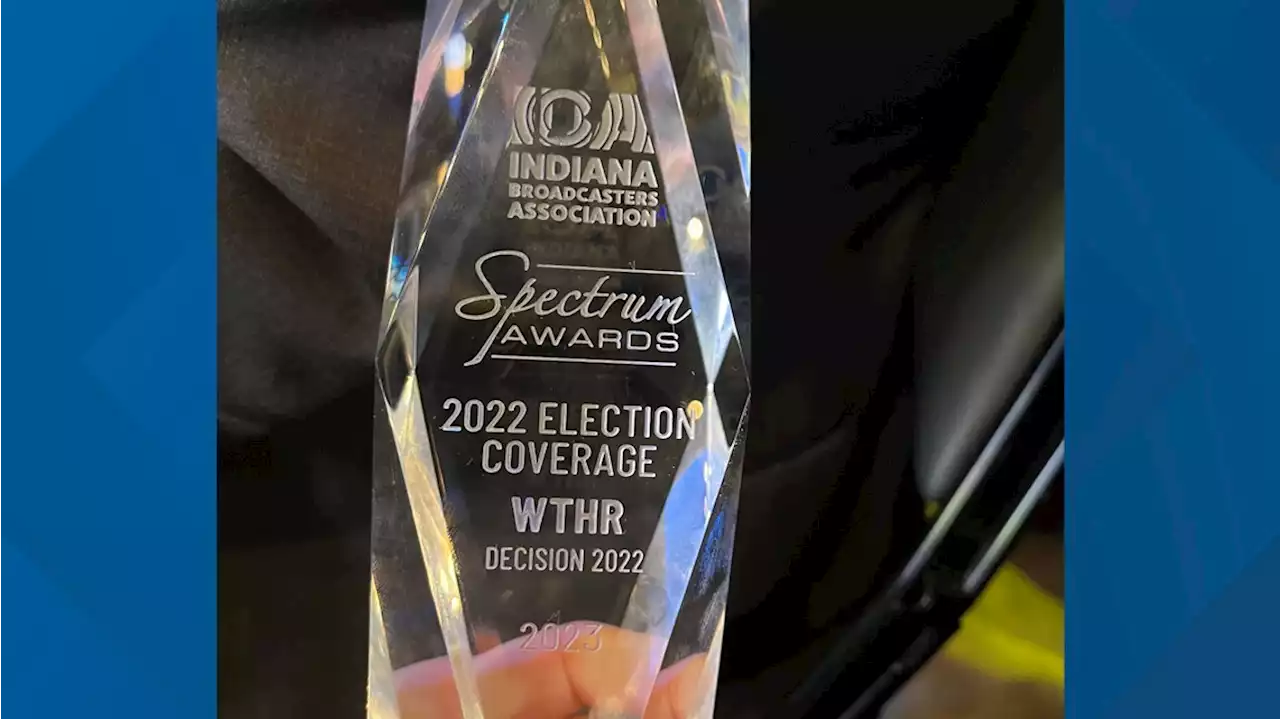 WTHR reporting receives 4 awards from Indiana Broadcasters AssociationThe organization recognized 13News' Decision 2022 reporting on the November general election.
Read more »
 CBS News Announces Reporting Embeds For 2024 Election CampaignCBS News announcing a team of 2024 campaign reporters who will serve as embeds, tasked with the intense and comprehensive coverage of candidates and issues out on the trail. The new team includes N…
Read more »
 Texas Capital sues Ginnie Me over reneged reverse-mortgage promiseBreaking news and exclusive reporting about the banking industry and Federal Reserve in Dallas-Fort Worth.
Read more »
 Odor monitors installed in South Bay after complaints of stinky smells caused by sewage spillsBehind a fenced-off area near a fire station in San Ysidro, a humming sound is coming from one of San Diego County\u2019s new odor monitors as it sniffs out\u2026
Read more »